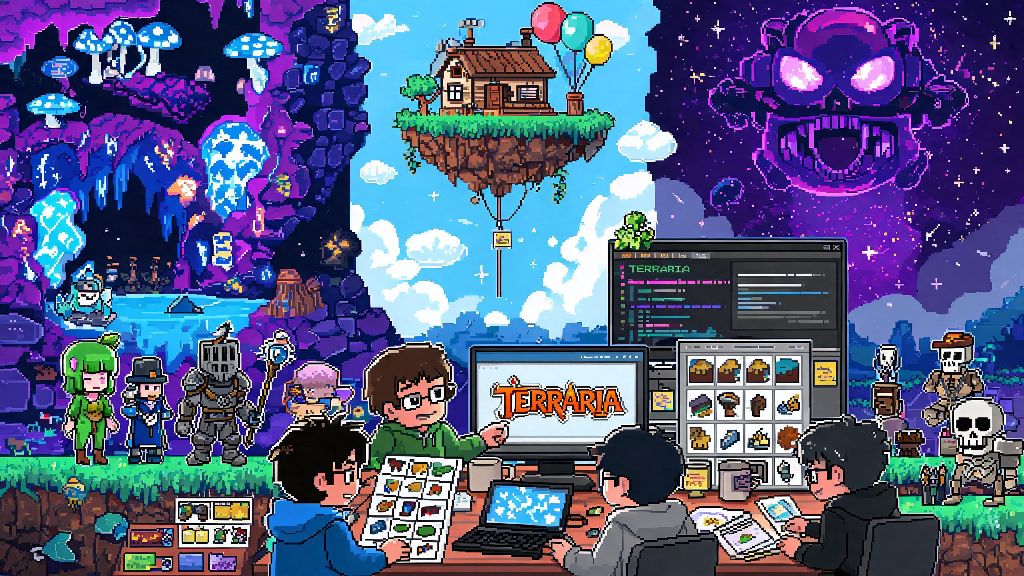
If you’ve spent dozens of hours digging through caverns, fighting Moon Lord, or building elaborate floating bases in Terraria, you’ve probably wondered at some point is Terraria an indie game. It’s one of the most common debates in Terraria community spaces, with fans split on the answer thanks to its massive scale and long-term support that outpaces most small studio releases. I’ve been playing the game since its 2011 launch, and even I used to argue with my college roommates that it was too big to count as indie, until I dug into the actual definitions and studio history for a gaming piece I wrote a few years back. This guide breaks down all the context you need to settle the debate for good.
What Actually Defines an Indie Game Today?
A lot of people assume indie just means "small game made by a tiny team", but that definition hasn’t held up for over a decade now. The core marker of an indie game is independent financial and creative control for the studio, with no backing from major third-party publishers that dictate development choices, release timelines, or monetization plans. Many newer gamers mix up scale with indie status, but that’s a bad metric—plenty of indie games have sold tens of millions of copies while staying fully independent, and some small, low-budget games are actually funded by major publishers under "indie" imprints.
For context, the Entertainment Software Association and most gaming industry analysts use the creative/financial control metric as the standard for classifying indie releases, not team size or sales numbers. That’s the metric we’ll use for the rest of this breakdown, since it’s the most consistent across the industry, and avoids the confusion of comparing game scale to studio structure.
Is Terraria an Indie Game? Breaking Down Re-Logic’s Structure
Terraria was first developed by a team of just two people: Andrew “Redigit” Spinks and Finn “Cenx” Brice, who founded Re-Logic specifically to publish the game, with no outside funding or publisher deals. Even as the game exploded in popularity, selling over 50 million copies across all platforms as of 2024, Re-Logic has remained 100% independent, with no investor backing, no publisher buyout offers accepted, and full control over every update, port, and content drop.
Re-Logic has repeatedly turned down eight-figure buyout offers from major publishers over the years, according to public statements from the studio’s leadership, to keep full creative control over the Terraria franchise. There’s also no external board dictating what content gets added to the game: every major update, from Journey’s End to the 2023 Labor of Love patch, was designed and prioritized based on studio goals and community feedback, not sales targets set by outside stakeholders.
All of these factors make the answer to is Terraria an indie game a clear yes, even before you dig into finer industry details. The only exception is console and mobile ports, which are licensed to trusted third-party studios, but Re-Logic retains full approval over all port content and updates, so those partnerships don’t impact its indie status at all.
Common Myths That Make Fans Doubt Terraria’s Indie Status
A lot of the debate around is Terraria an indie game comes from widespread myths about what indie games can achieve, so let’s bust the most common ones I see pop up in Reddit threads and Discord servers all the time.
I’ve seen these myths passed around for years, usually by newer fans who only started playing indie games in the last 5 or so years, when major publishers started pushing more small, low-budget titles under indie marketing labels. Once you separate studio structure from game scale, all these myths fall apart pretty quickly.
Why Terraria’s Indie Status Matters for Fans
You might be wondering why this debate even matters, but Terraria’s independent status is directly responsible for a lot of the things you love about the game. First, there are no predatory monetization mechanics in Terraria, no battle passes, no pay-to-win items, no expensive cosmetic DLC. Re-Logic doesn’t have to hit revenue targets for outside investors, so it can afford to release all content updates for free, even 13 years after launch. For example, the 2023 Labor of Love update added over 1000 new items, all for free, something you’d never see from a AAA publisher that would charge $20+ for that amount of content.
Second, the team prioritizes community feedback way more than most major studio teams. I’ve submitted feedback myself on the official Terraria forums that ended up being added to a later update, and thousands of other fans have had the same experience. You’d almost never see that level of community input on a major publisher-owned AAA title, where features are planned years in advance based on market research, not fan requests.
Third, Re-Logic uses its platform to support other indie developers, funding smaller studio projects and promoting indie releases on its official social media channels. If the studio had sold to a major publisher, that support for the broader indie community would almost certainly stop, as corporate owners usually prioritize their own IP over supporting competitors. It’s also worth noting that Terraria’s indie status is part of why it’s remained so relevant for so long: the team doesn’t have to rush out a sequel to hit sales targets, so they can keep refining the original game as long as fans want more content.
At the end of the day, the answer to is Terraria an indie game is a resounding yes, by every standard industry definition. Its massive popularity and long-term support don’t take away from the fact that Re-Logic remains fully independent, with no outside control over its creative or financial choices. Next time you see this debate pop up in your favorite Terraria community space, you’ll have all the facts to settle it quickly, and you can even point out how the game’s indie status is the reason it’s such a special experience to play. If you want to support more indie games like Terraria, consider checking out smaller titles from studios that self-publish their work, no major publisher backing required.