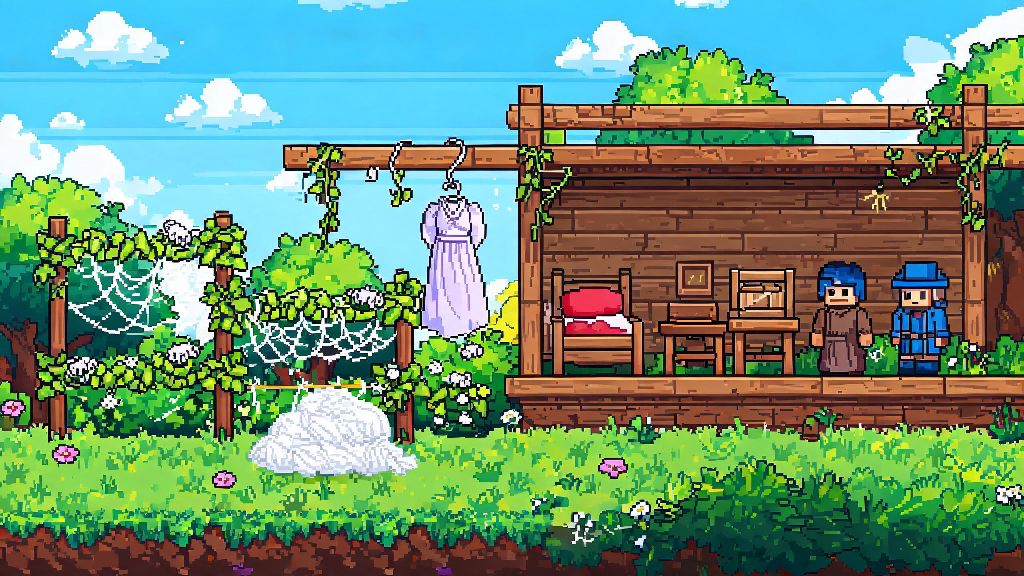
If you’ve ever tried to craft a Bed to set your spawn point, make the elegant Silk Robe for early magic damage, or build a fancy base for your NPCs, you’ve probably asked how do you get silk in Terraria at some point. This common crafting material is far more useful than many new players realize, and it’s accessible surprisingly early in your playthrough if you know where to look. You don’t need to beat any bosses to get your first stack of silk, and a small farm can keep you supplied for your entire run if you set it up right. I still remember wasting two hours looking for silk in chests when I first started playing, before I realized I could craft it with cobwebs I already had sitting in my inventory.
How Do You Get Silk in Terraria: Core Crafting Requirements
First off, silk isn’t an item you’ll get directly from slaying enemies or looting chests, for the most part. You have to craft it, and you only need two core components to make your first piece: 7 Cobwebs and access to a Loom. That’s a super low barrier to entry, right? Cobwebs are one of the most common underground resources, and you can make a Loom with just 12 pieces of any wood at a Sawmill, which you can craft within your first hour of playing if you prioritize basic base upgrades.
You can rarely find small stacks of silk in underground cabin chests, but that’s not a reliable source if you need 20+ pieces for a recipe like the Bed or the Meteor Armor set. You’re always better off crafting it yourself instead of hoping for random loot drops. If you’re playing on Journey Mode, you can research 10 cobwebs to unlock infinite crafting for both cobwebs and silk, which cuts out the farming step entirely if you’re playing in creative or low-difficulty mode.
The Fastest Ways to Farm Cobwebs for Silk
Cobwebs spawn naturally on any background wall in dark, underground areas, but some spots give way higher yields than others. You can break cobwebs with any tool, weapon, or even your bare fists, though a pickaxe or sword will make the process faster. I’ve tested every farming method across dozens of playthroughs, and these three are the most reliable for getting as many cobwebs as you need in the shortest time:
The spider cave run is my go-to for early game, while the player-made farm is better for late game when I need stacks of silk for building custom furniture for my base. Just remember that cobwebs can slow you down if you walk through them, so keep a sword or pickaxe handy to break them as you move if you’re being chased by enemies. You don’t want to get stuck mid-fight because you wandered into a patch of cobwebs you didn’t see.
Pro Tips to Craft and Use Silk Efficiently
Once you have a stack of cobwebs, you might be tempted to turn all of them into silk immediately, but I’d recommend holding off if you have other cobweb-dependent recipes to craft first. For example, Goblin Battle Standards require 10 cobwebs directly, so you don’t want to turn all your stock into silk and have to farm more if you want to farm goblin armies for loot and rare accessories.
When you do craft silk, place your Loom near your other crafting stations to cut down on run time around your base. Some of the most valuable uses for silk include: Beds to set spawn points, the Silk Robe which gives +40 mana and +10% magic damage for early mages, Meteor Armor which is a top tier pre-Hardmode magic set, and even decorative items like curtains, sofas, and wall hangings for your base builds.
One common mistake new players make is only making enough silk for their first bed and ignoring the rest of its uses. It’s worth keeping at least a stack of 50 silk in your inventory at all times, especially if you’re playing a mage build that relies on silk-based armor and accessories. You can also sell excess silk for 20 copper each, which is a nice little income stream if you have a cobweb farm running in the background. It’s not going to make you rich overnight, but it’s a good way to turn extra resources into gold for NPC purchases.
Common Silk Farming Mistakes to Avoid
Even if you know the basics of how to get silk in Terraria, there are a few easy mistakes that can slow you down or waste your resources. The first and most common is farming cobwebs without a weapon that can hit through walls. Spiders spawn constantly in cobweb-heavy areas, and most of them climb on background walls, so a sword that only hits foreground enemies will leave you vulnerable to surprise attacks. I always bring a yo-yo or a magic staff when I go cobweb farming, so I can take out spiders before they get close enough to deal damage.
Another mistake is ignoring cobweb spawns in the Snow Biome underground. Those areas have just as many cobwebs as regular caverns, and they usually have fewer tough enemies early game if you’re still gearing up. The cold won’t affect you too much if you bring a couple of torches to keep yourself warm, and you won’t have to fight as many slimes or zombies while you collect cobwebs.
You also don’t want to craft more silk than you need for your immediate projects unless you’re planning to sell it. Cobwebs take up the same inventory space as silk, but they’re used for more unique recipes, so it’s better to store cobwebs and only craft silk when you need it for a specific recipe. That way you won’t have to run back to a cave to farm more cobwebs if you suddenly need to make a Goblin Battle Standard or a stack of Cobweb Ropes for exploring.
At the end of the day, figuring out how do you get silk in Terraria is one of the first basic crafting lessons every new player should learn, and it opens up so many useful progression and building options. You don’t need fancy gear or late-game items to get as much silk as you need, just a little time exploring underground and a Loom set up at your base. Next time you’re digging through caverns, keep an eye out for cobweb patches, and you’ll have a full stock of silk before you know it.